Blogging Team [8]: Nifasha Diomede, Ariana Elahi, Alyssa Rodrigues, Yusaf Sharif, Maryam Younis
Midterm Day
Black Mirror episode “White Christmas”
In the beginning of the class, TA Bijan Boroumand thanked all the students for their hard work this semester and for their participation in discussions!
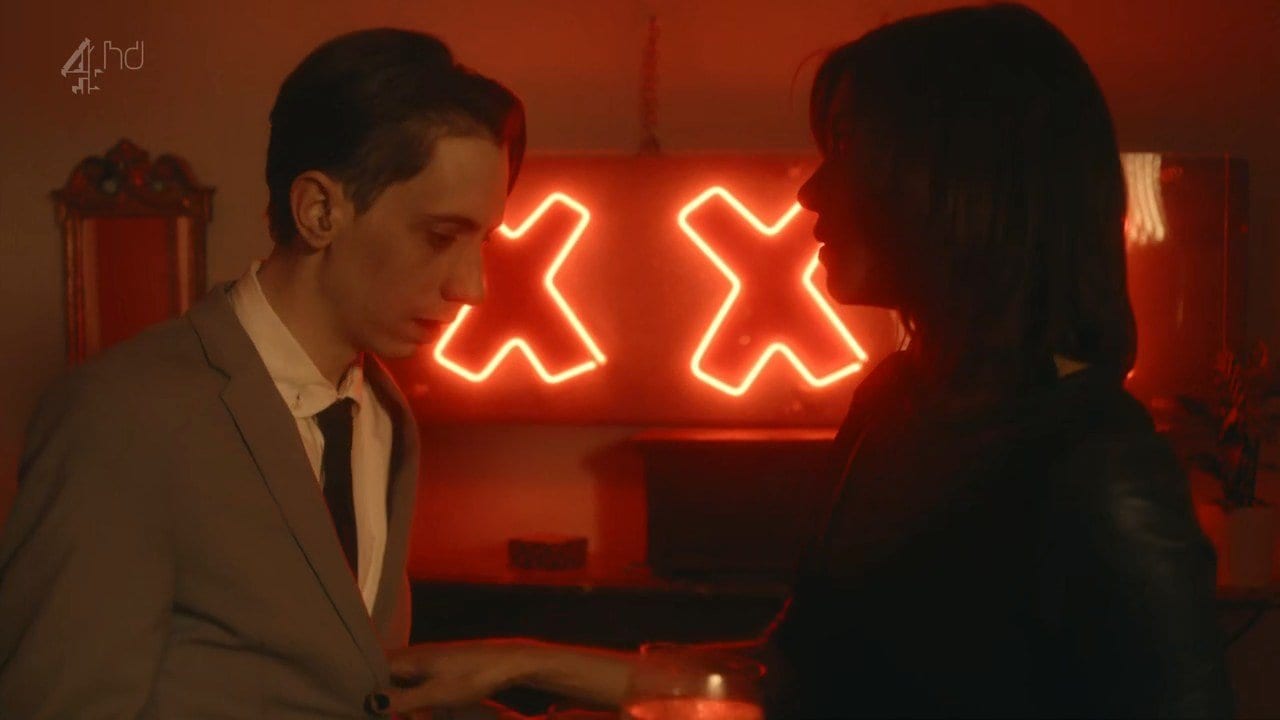
For the remainder of the class period and for our midterm, we watched the Black Mirror episode “White Christmas” and were assigned to write a post-class reflection on it.
The episode follows two men, Matt and Joe, as they discuss events from their pasts over Christmas dinner in a (presumably) remote cabin. The episode begins with Matt explaining a “hobby” he used to do at night, which involved being a dating coach for a group of men by being able to see what they see and stream it to other men in the group to live react and provide advice in romantic situations.
Matt had to quit the hobby after one of his clients was involved in a murder-suicide with a woman while Matt and the rest of the men in the group were live-streaming it amongst themselves, so they were effectively all witnesses. Matt destroyed all his streaming equipment and attempted to go back to bed, but his wife caught him and “blocked” him, taking custody of his young daughter and kicking him out of the house.
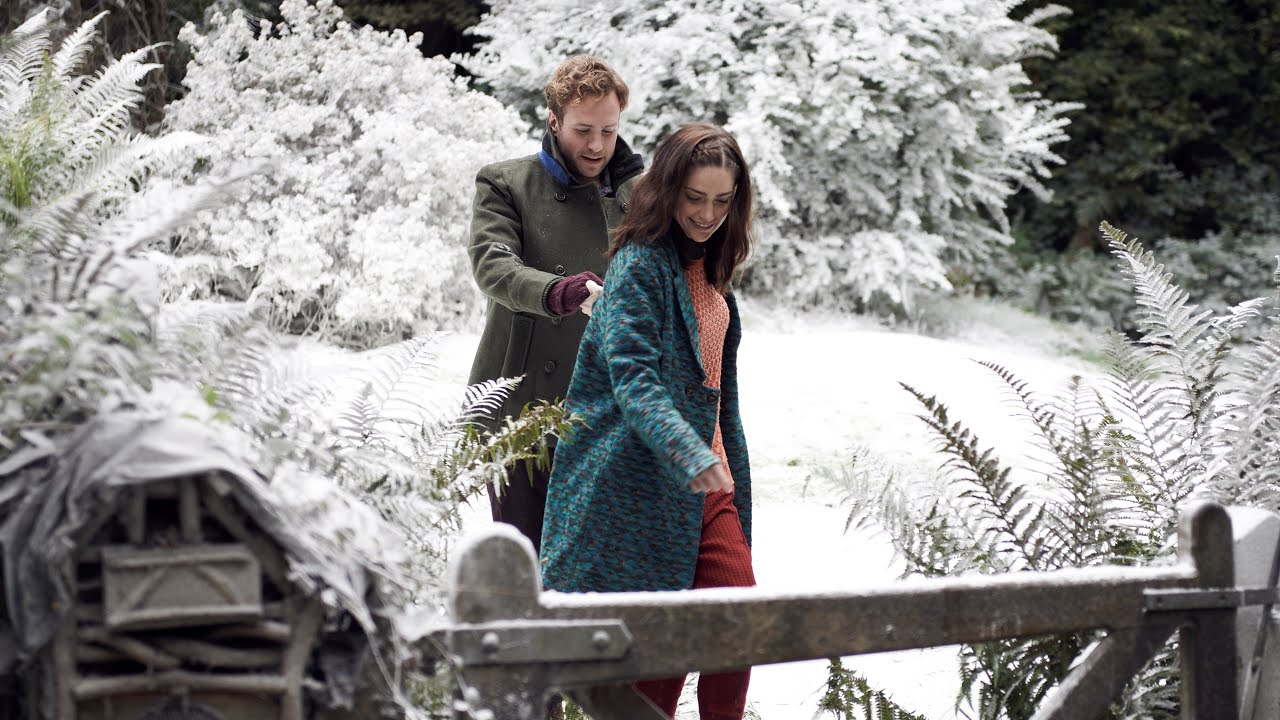
Matt and Joe return to the kitchen, and as Matt tries to connect with him, he encourages Joe to share his story. Though reluctant at first, Joe eventually agrees.
He begins by describing his relationship with his former partner, whom he loved deeply. One evening, after a dinner with friends, she seemed unusually distant. Later that night, while cleaning the kitchen, Joe discovers a positive pregnancy test and confronts her. He is overjoyed at the idea of becoming a father and feels ready to take this next step, but his girlfriend reveals that she does not want the baby and plans to have an abortion. This sparks a heated argument, during which she uses the implant “blocking” feature that renders Joe as a blurred figure and distorts his speech into incomprehensible noise. Frustrated and unable to communicate, Joe lashes out and throws a vase at the wall.
The next morning, filled with regret, Joe intends to apologize, but she has already packed up and left him. He searches for her but cannot find any trace of her. Eventually, he spots a blurred woman with a visibly pregnant belly and realizes she kept the baby while still blocking him. Desperate, he tries to approach her, but his actions lead to legal trouble, and she files a restraining order, making it clear she wants nothing to do with him.
Once again, we are brought back to the kitchen scene between Matt and Joe.
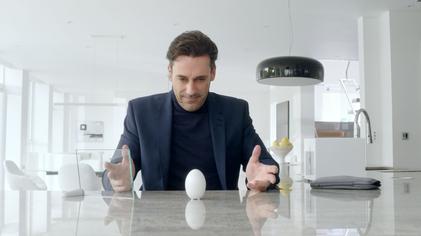
Matt offers another story about the job he pursued after his divorce. We’re brought into a scene where a woman undergoes a mysterious surgery, though at first it’s unclear what it’s for. Later, we learn that a chip is implanted to study how her brain functions over the course of a week. After the chip is removed, the data is used to create a digital clone of her consciousness, which is placed into a “pod” that controls her smart home. This pod version can manage her daily routine. The pod can prep her toast and even wake her up gently by raising the blinds. However, the system begins to feel unsettling because this digital version of her appears to be sentient. At first, it doesn’t understand that it isn’t the original person even though Matt keeps reassuring the pod that it is simply made of code.
Matt’s role is to orient this pod consciousness and explain its purpose. When the pod refuses to cooperate, Matt manipulates its perception of time: what feels like a minute to Matt translates into six months of isolation for the pod. Trapped alone with nothing to do, the digital consciousness eventually complies after enduring what is essentially prolonged solitary confinement.
This raises a question: If an AI could truly learn and replicate the workings of your brain, would that make it sentient? If so, would it also inherit human needs or even the capacity to suffer?
Additional Sources:
- “White Christmas (Black Mirror)” (2026). Wikipedia. Link