Blogging Team 10: Nurdin Hossain, Ruizhang Chen, Hemanth Saravanan, Pranav Goteti, Hannah Cohen
Summary
News: Data Center Resistance
Topic: AI2027 and AI as Normal Technology
During our fourth class, we had riveting discussions on how AI will affect our future.
Table 2 began with a discussion of data center resistance, sharing recent developments in the Virginia government regarding data center reforms. Comments from the class focused on the presence of data centers in wealthier areas as well as the potential benefits and drawbacks of data centers.
Then, we discussed the two articles that were assigned – AI 2027 and AI as Normal Technology. While the class generally agreed that AI as Normal Technology seems like a more realistic take on the future of AI, we also acknowledged that, while AI 2027 feels like a dystopian world, the writers are well-regarded within their field and make notoriously successful predictions. As AI continues to grow, we see, in real-time, government regulations coming into play, and while the world of AI 2027 seems intimidating, active resistance to AI dominance makes the future seem a little less scary.
Professor Evans’ Take on Machines of Loving Grace:
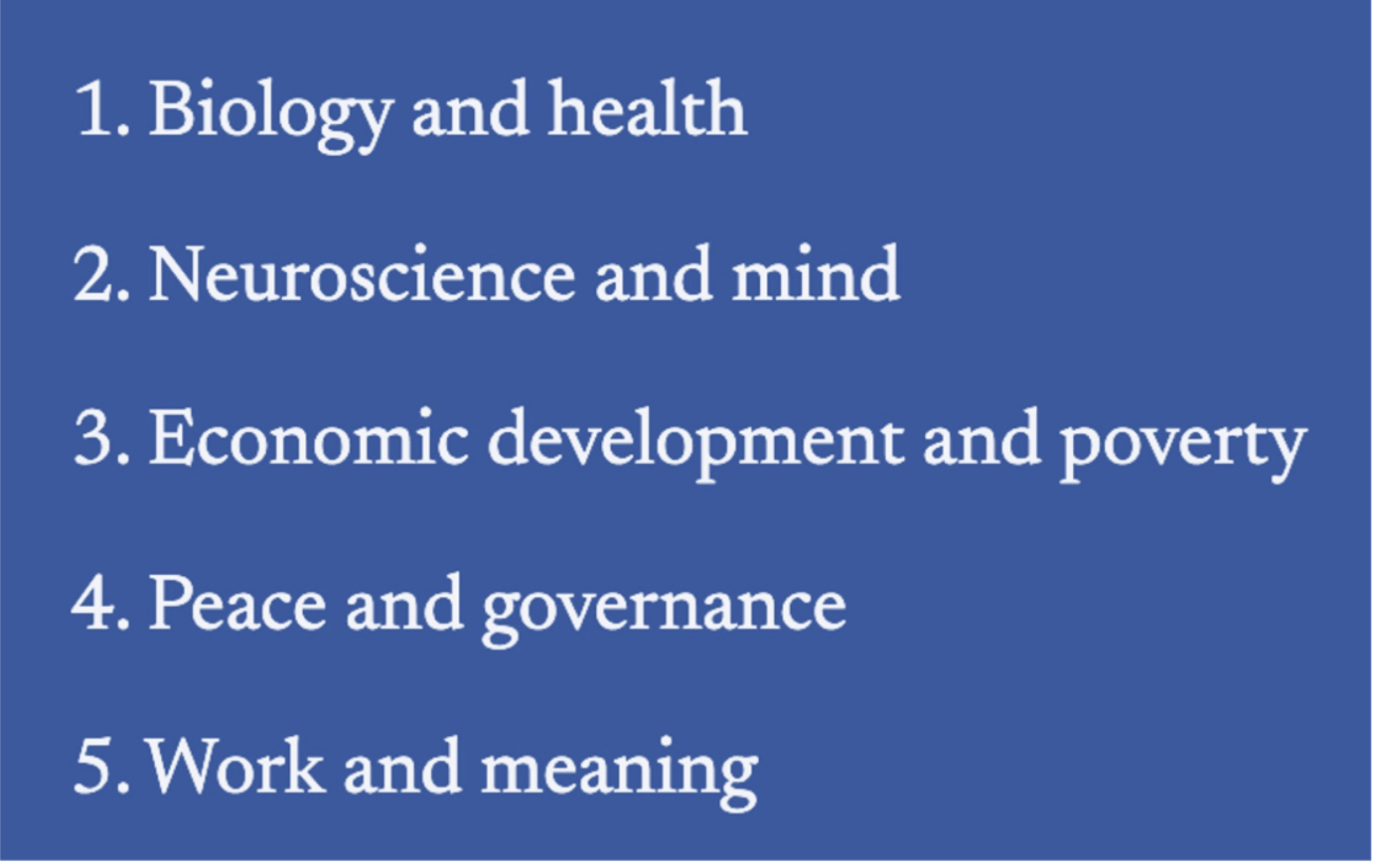
Although Amodei’s list has covered some of the areas in which AI has or will have significant impact, Professor Evans points out that there’s is a lot missing on the list. One thing to notice is that everything in his list mostly affects “rich” (where “rich” means relative to Jefferson in the 1800s in that we have access to virtually unlimited supplies of clean water and adequate heating and “healthy” people’s daily lives. None of the items on Amodei’s list are about making our typical daily lives better in a noticable way, and although this seems petty compared to saving lives it is much more immediate and directly impactful to most of us.
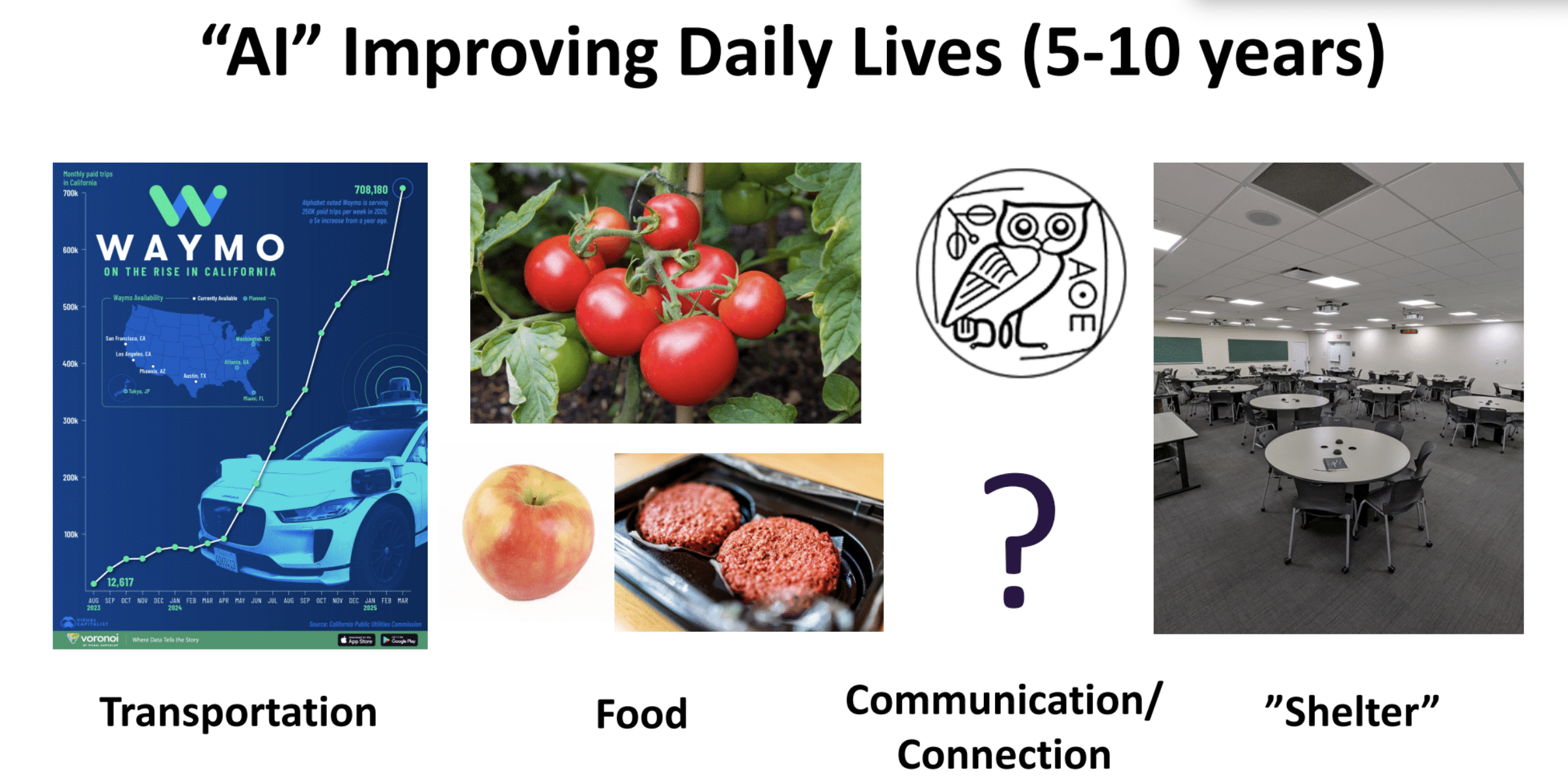
As AI continues to develop, we can soon see some improvement brought into our daily lives by AI in the next 5-10 years.
Transportation, for intance, has seen huge progress over the past few years and will over the coming 5-10 years. Waymo has deployed a fully autonomous ride service in several major cities already including Los Angeles. Fully autonomous vehcles will rapidly reach more people and have a big impact on how we structure our lives, as well as the largest cause of death for young people worldwide.
We may also experience change in the way we communicate. Over the past 3 decades, the Internet has revolutionized how most people communicate. It brought people closer to each other although we are still far away phisically. AI may even bring this a step further in the way we have seen Internet did.
Amodei talks about ending global poverty with the help of AI, but global poverty is largely not a technology problem and is not solved easily by technology so 5-10 years seems overly optimistic.
In 2014, when Professor Evans taught CS 4414, he predicted that poverty would end within 15 years. Time is almost up with little progress, and this prediction seems a bit embarrassing today.
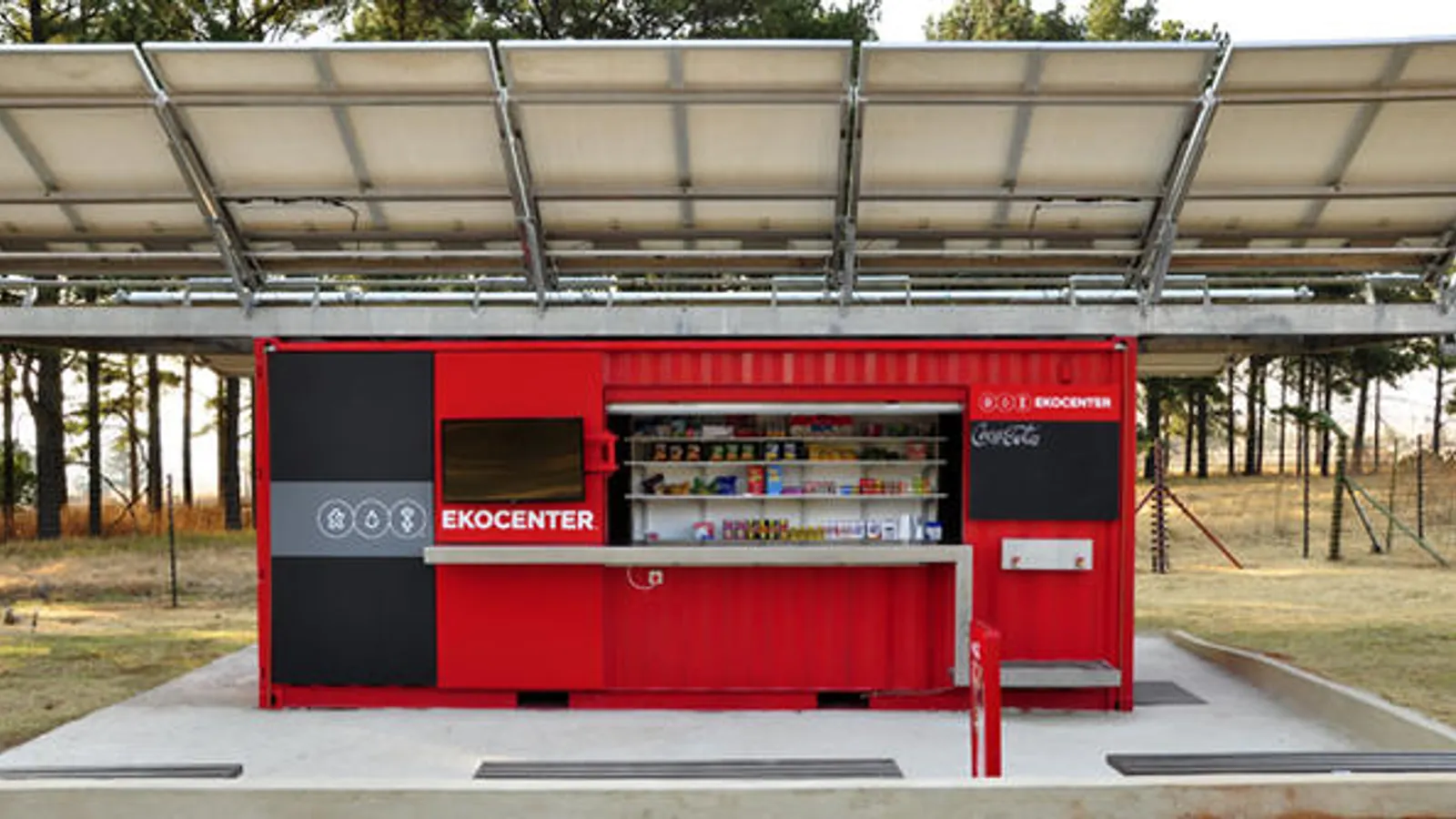
Dean Kamen is an American engineer and inventor. He opened Rice Hall on 2011. Among over 1000 invention of his, he invented a revolutionary clean water machine, called Slingshot. The Slingshot process operates by means of vapor compression distillation, requires no filters, and can operate using cow dung as fuel. This machine was designed to solve the global water crisis. He also made a deal with Coca-Cola that in exchange for Coca-Cola helping deploy his clear water machine across Africa, he would invent a microfluidic system for mixing sugary beverages.
Did Slingshot solve the clean water problem? Not quite. If we look at the share of deaths attributed to unsafe water sources, it has gone down some since 2014, but still remains depressingly high. But, the Freestyle Coca-Cola machines that Kamen designed are everywhere! Providing access to flavorful soda in rich countries is a lot easier than providing mass access to clean water.
News: Data Center Resistance
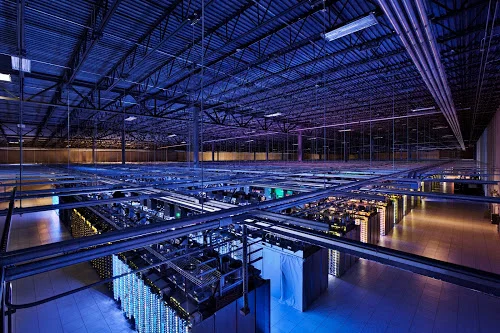
With the recent boom in large language models and artificial intelligence in general, there has been a strong investment in infrastructure to support these models and their future iterations. One of the leading components of this infrastructure are data centers–large unassuming buildings housing thousands of powerful computers running vital processing for not just AI, but other infrastructure like networking, cloud computing, and more.
With the spread of these large data centers has come waves of opposition, especially in our beloved state of Virginia, which is home to over 500 of them. One big reason for this pushback is speculation around the actual benefits data centers are providing to nearby residents compared to their drawbacks.
The Piedmont Environmental Council, for example, says “it is complete chaos in terms of planning for the energy infrastructure” in regards to data centers and their impact on the electric grid. While data centers increase electric traffic for local residents (increasing usage rates like up to an extra $18/month), they also get nearly $2 billion in tax exemptions each year, which is money that could be allocated to imapctful areas like education or welfare.
Apart from making electricty less affordable and paying less money than what people deem to be their “fair share” of taxes, data centers are also attributed to draining vital resources like water and impacting people’s daily lives through noise, environmental disruption, and even health impacts. According to the Charleston Gazette-Mail, for example, a Harvard/MIT-backed study claims that data center operation in Tucker County, West Virginia has the potential to cause nearly $35 million in health-related damages to the local community. Some of the reasons for this involve 71.54 tons of fine particulate matter and 58.89 tons of sulfur dioxide being released into the air, potentially causing asthma attacks and reduced lung function.
Although data centers face pushback from people on both ends of the poltical spectrum, the issue is much more nuanced. Although they consume significant amounts of electricity and have had noticable negative externalities on some local communities, there are arguments that these “bads” don’t outweigh the “goods”. For one, some lawmakers believe that data centers can act as a strong source of economic growth for Virginia.
Additionally, although data centers currently consume more than 4% of the US’s electricity consumption and is projected to more than double than figure by 2030, they only consume 1% of global electricity and emit a measly 0.5% of greenhouse gas emissions. Some may look at these figures and argue that the benefits received from unlimited AI access in everyone’s pockets, 24/7 news streaming, connectivity through social media, and more largely outweigh the consumption risks.
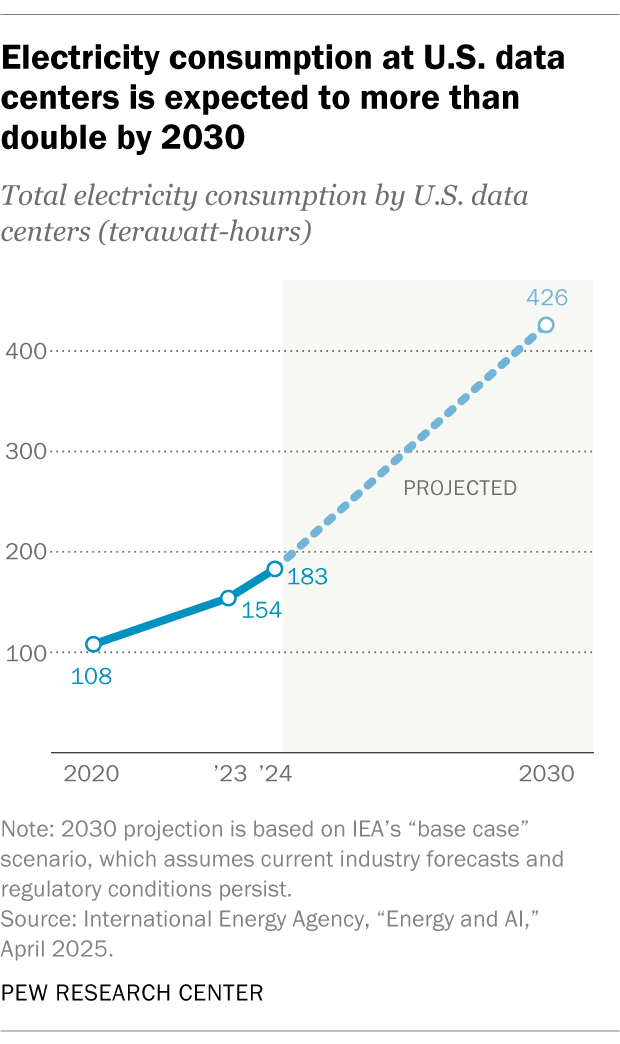
Overall, the question on how “good” or “bad” data centers are is a murky one at best. Nonetheless, the news team has clear predictions for where this issue will steer in the future. They believe there will be stricter regulations (zoning rules and more thorough environmental reviews), increasing development costs, increased transparency (from developers to residents), and geographic pushback.
Discussion Points
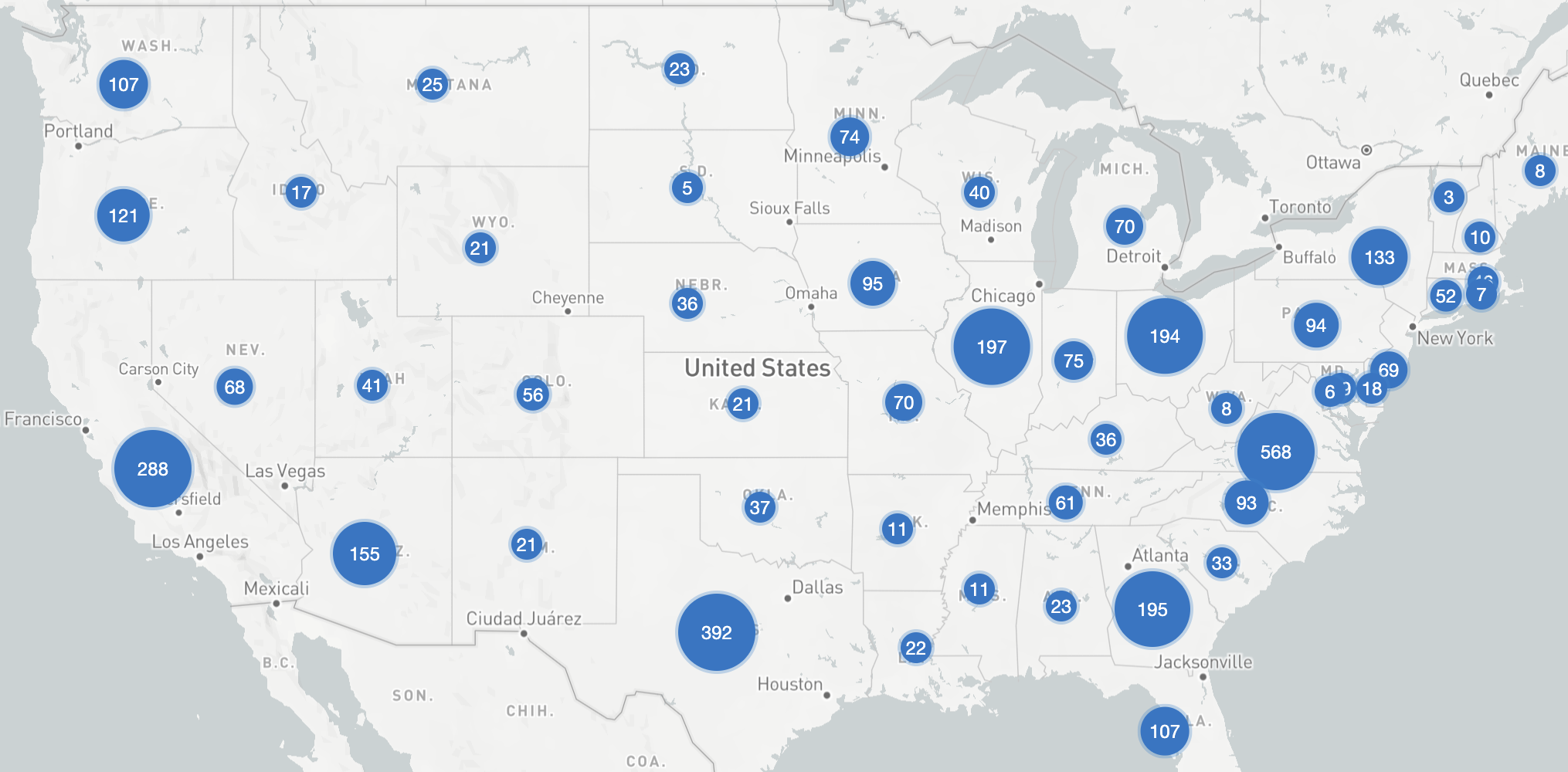
One question posed to the News Team was why data centers seemed to be concentrated around typically affluent areas like Loudoun County, Dallas, Chicago, and Silicon Valley. Indeed, when looking at a map of data centers around the US, we can see that these wealthy cities tend to have hundreds of data centers.
One student in the class argued that data centers, apart from needing lots of bare land, need areas with skilled workers and a pre-existing tech infrastructure, something that all of these cities have in common. Another student added that maybe the fact that these areas are wealthy allow them to fund the development of data centers inside of them. Indeed, CoreSite supports the fact that the areas selected to have data centers built on top of them usually have a strong power grid/fiber-optic system in place that a data center would benefit heavily from.
AI 2027
- Daniel Kokotajlo, Scott Alexander, Thomas Larsen, Eli Lifland, Romeo Dean. AI 2027. April 2025. [Web Page]
One of the readings for this class was AI 2027, a forecasting report written by Daniel Kokotajilo, Eli Lifland, and Thomas Larsen, a small cohort of AI safety researchers. The article predicts a future of rapidly growing AI capabilities by analyzing computational trends as well as attempting to predict geopolitical trends in response to AI.
The class discussion was largely skeptical, generally concluding that the article was more propaganda-fueled rather than data-driven. Some argued that it felt ill-intentioned that the writers had no geopolitical experience in the team despite making severe predictions of a future Cold War with China and the US, even going so far as to predict that AI companies would fire all Chinese researchers. There was also a critique that the authors have altered dates and pushed predictions back, which hurt credibility for many.
It was discussed in class how many of the “correct” decisions portrayed in the AI 2027 article would directly benefit large AI companies by securing more funding, shutting down smaller AI companies, and giving AI researchers a strong say in policy. This caused some to wonder if the authors had ulterior motives with the article.
A student noted that the authors of this article are very credible and well-respected, so even if the article wasn’t 100% accurate, their forecasts should be analyzed with some merit. This opinion is further backed by the fact that Daniel Kokotajilo, one of the authors, had previously turned down millions of dollars from an NDA deal in order to keep his ability to speak up on AI safety. That level of sacrifice suggests that he clearly doesn’t just value money, and that dismissing the article completely could be dangerous.
Ultimately, the class concluded the article wasn’t completely correct. There aren’t full-blown AI agents like predicted, and there is still a continuous demand for human labor shown by internship and job offerings still being posted. But the reading left many with a feeling of fear and dread. Even if the timeline wasn’t completely accurate, the prediction of an AI doomsday future left many feeling powerless. AI 2027 could be a false alarm, or could we be frogs in boiling water, unable to notice anything is wrong until it’s too late?
AI as Normal Technology
- Arvind Narayanan and Sayash Kapoor. AI as Normal Technology. April 2025. [PDF Link]
In contrast to AI 2027, the overall sentiment towards the article AI as Normal Technology was much more receptive as a realistic explanation for the future of AI. The article explained that AI is just another technology and while AI diffusion is slow, humans could eventually learn how to fully integrate it into their workplaces. Rather than AI necessarily either spelling the end of humanity or creating a perfect world, the range of possibilities for the future is much more nuanced and greatly dependent on how it’s used going forward.
For that reason, policymakers need to focus on thwarting the ways bad actors can use AI rather than trying to weaken it. The class pointed out key details in the article, such as the fact that regulation and diffusion work hand in hand, as well as the idea that companies are telling their workers to use AI to make work more efficient but that it isn’t replacing jobs quite yet. The authors of the article (Arvind Narayanan and Sayash Kapoor) are both in academia at Princeton, and the class felt that the authors’ credibility reflects in the fact that more of this article’s predictions have actually come true today.
Relevant Citations
- Gabbatiss, Josh. “AI: Five Charts That Put Data-Centre Energy Use – and Emissions – into Context.” Carbon Brief, 17 Sept. 2025, www.carbonbrief.org/ai-five-charts-that-put-data-centre-energy-use-and-emissions-into-context/?utm_source=chatgpt.com.
- Leppert, Rebecca. “What We Know about Energy Use at U.S. Data Centers amid the AI Boom.” Pew Research Center, Pew Research Center, 24 Oct. 2025, www.pewresearch.org/short-reads/2025/10/24/what-we-know-about-energy-use-at-us-data-centers-amid-the-ai-boom/?utm_source=chatgpt.com.
- Team, The CoreSite. “Top 10 U.S. Data Center Markets and Why They Are Hot.” CoreSite, CoreSite, 14 Nov. 2024, www.coresite.com/blog/top-10-u-s-data-center-markets-and-why-they-are-hot#:~:text=As%20one%20of%20the%20most,that%20operate%20within%20the%20district.
- Tony mtony@hdmediallc.com, Mike, et al. “New Report Projects up to $35m in Health Damages from Expected Tucker Co. Data Center.” Mail, 15 Jan. 2026, www.wvgazettemail.com/news/energy_and_environment/new-report-projects-up-to-35m-in-health-damages-from-expected-tucker-co-data-center/article_0e44b758-b9d7-4040-92fa-ddf7db274333.html.
- VPM by Patrick Larsen. “Virginia Lawmakers Propose a Bevy of Data Center Reform Bills.” VPM, 16 Jan. 2026, www.vpm.org/generalassembly/2026-01-16/2026-data-center-bills-thomas-hb155-mcauliff-hb503-pjm-dominion-energy.
- AI Futures Model. (2025, December). https://www.aifuturesmodel.com/